FYI, Tillamook region is steadily a declining part of Tillamook Cheese. The main plant is a mega-dairy and farm outside of Boardman, OR. They have 93,000 acres of land (threemile canyon farms a subsidiary of RD Offut).
The reason: due to the arid conditions, hot temperatures, and access to irrigation water from the Columbia River, the region produces 2.5-3x per acre more feed than the cool, very wet, Tillamook area. In gross production of crops per acre, they are one of the highest production regions/acre on the planet. They use varieties developed for the southern Mid-west (113-120 day corn). However their average yeilds are 20% higher than the southern Mid-west.
Dairy farming in Tillamook is environmentally terrible. The large amounts of rain causes constant runoff and leaching of nutrients. Most of the nutrients from the manure they spread washes away with the winter rain. Because of the lack of heat units, they use varieties that are adapted to the northern Canadian corn belt (67-72 day corn).


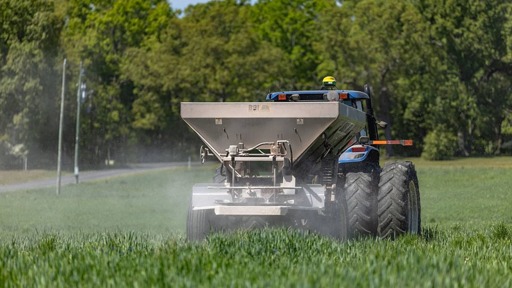
I live in Tillamook, land of cheese. We still use poop here, very few do otherwise though :(
FYI, Tillamook region is steadily a declining part of Tillamook Cheese. The main plant is a mega-dairy and farm outside of Boardman, OR. They have 93,000 acres of land (threemile canyon farms a subsidiary of RD Offut).
The reason: due to the arid conditions, hot temperatures, and access to irrigation water from the Columbia River, the region produces 2.5-3x per acre more feed than the cool, very wet, Tillamook area. In gross production of crops per acre, they are one of the highest production regions/acre on the planet. They use varieties developed for the southern Mid-west (113-120 day corn). However their average yeilds are 20% higher than the southern Mid-west.
Dairy farming in Tillamook is environmentally terrible. The large amounts of rain causes constant runoff and leaching of nutrients. Most of the nutrients from the manure they spread washes away with the winter rain. Because of the lack of heat units, they use varieties that are adapted to the northern Canadian corn belt (67-72 day corn).