Americans across multiple states are being urged to conserve water as drought conditions intensify, reservoirs shrink, and utilities issue increasingly urgent warnings. At the same time, a different kind of consumer is quietly demanding unprecedented...
The problem is that it accelerates the cycle of freshwater to undrinkable salt water (most rains down into the ocean) while the cycle taking that water back to clean watersheds is no faster than before, which contributes to depletion of limited drinking water - especially since municipalities are often all too eager to strike deals with data centers to provide cheap hookups to the drinking water supply.
The logic of saying that it’s all staying in the water cycle feels kinda like dumping all the food in your fridge into a septic tank and saying well none of the atoms where destroyed and it’ll all come back through the grocery store in a millenia. Sure in the grand scheme it’s a big closed loop, but the loop moves slowly and unevenly.


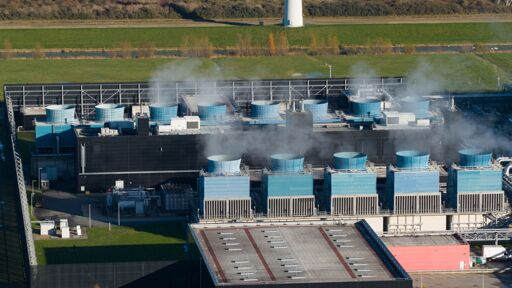
The problem is that it accelerates the cycle of freshwater to undrinkable salt water (most rains down into the ocean) while the cycle taking that water back to clean watersheds is no faster than before, which contributes to depletion of limited drinking water - especially since municipalities are often all too eager to strike deals with data centers to provide cheap hookups to the drinking water supply.
The logic of saying that it’s all staying in the water cycle feels kinda like dumping all the food in your fridge into a septic tank and saying well none of the atoms where destroyed and it’ll all come back through the grocery store in a millenia. Sure in the grand scheme it’s a big closed loop, but the loop moves slowly and unevenly.
Awesome analogy with the food dumping. Neatly illustrates what really is expended is the amount of (low) entropy.
Source?
https://arxiv.org/pdf/2304.03271
This is why regulation is so important. We (law makers) need to define the box AI datacenters can work inside.