

13·
3 days agoYeah, Trump’s actions make a lot more sense when you view it through the lens of “he approaches every single interaction as if there needs to be a winner and a loser.” And his ego means he is truly obsessed with winning.
Yeah, Trump’s actions make a lot more sense when you view it through the lens of “he approaches every single interaction as if there needs to be a winner and a loser.” And his ego means he is truly obsessed with winning.
My guess is actually that they refuse to take the case, allowing the original ~$80M judgement to stand.
Their original ruling was that he can’t be sued for actions taken in office, as long as he could argue that the actions were officially a presidential action. Basically, people can’t sue the POTUS personally for things that the POTUS does officially as president. It creates a barrier between “official actions” and “personal actions”, but gives broad discretion to be able to argue that an action is official. The ruling didn’t define what an official action is, and essentially handed that power to the POTUS.
But here’s the important part: Trump didn’t rape Carroll while in office, (it happened in 1995), so it’s not covered under that existing ruling. And even if he did, the SCOTUS isn’t going to want “I raped a woman as an official presidential act” on their record.

In a statement, Murphy cited the recovery amount, personal payments by former executives, a commitment for $7 million to go to nonprofits and the absence of a confidentiality provision in a system where “wrongdoers too often hide their misdeeds by dangling compensation in front of those they victimized and trading that compensation for confidentiality or an NDA.”
Glad they stuck to their guns. I’ve been following this case for a few years now. This all began as an attempt by eBay’s C-level executives to bully a few reporters into silence. It makes perfect sense that those reporters would refuse to accept an NDA as part of the settlement, because reporting on things like this is exactly what landed them on eBay’s radar in the first place.
Not-for-profit is still a corporation, and the distinction simply means that they need to reinvest profits back into the company. A for-profit company can sit on massive amounts of stockpiled wealth, while a not-for-profit needs to find ways to reinvest that back into the company. To be clear, they can still sit on a lot of money. But all of their money needs to be earmarked for something, instead of just being a rainy day fund.

Honestly, the most surprising part about this is that NetHack is still getting active releases. Looks like 5.0.0 landed just a few months ago?
deleted by creator
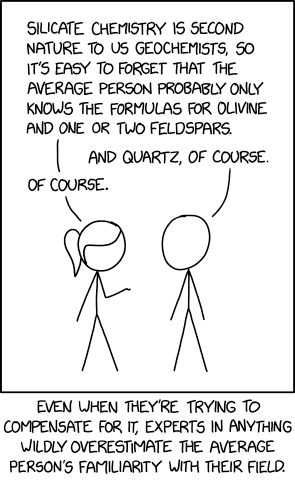
Users choose not to update to avoid rebooting. The average user barely even knows what an OS is. They just know that if they reboot, they’ll lose their 347 Emotional Support Chrome tabs. Lemmy tends to be fairly tech literate, which means conversations about tech often involve the Average Familiarity problem:
One former official told The Post that any record of a judge questioning David Brouillette’s credibility would add to questions about his fitness to serve and could cast a negative light on whatever he tells his superiors about the encounter with Durán.
Issues like this are exactly why the Brady List exists. The SCOTUS ruled in Brady v Massachusetts (1963) that prosecutors must disclose potential exculpatory evidence if the defense requests it. This is known as the Brady Doctrine, and it has been expanded by future rulings several times.
One of these expansions was to encourage prosecutors to create a Brady List, for prosecutors and defense attorneys to be able to easily look up any officers. Basically, the courts ruled that “I didn’t know there was exculpatory evidence” isn’t enough as long as the cops knew. So the list is meant to allow prosecutors to look up upcoming officer witnesses, to see if they’ll potentially be problematic.
This Brady List is a compiled record of officers who have been caught with things like official misconduct, corruption, giving false testimony, abuse of power, etc… Basically, the Brady Doctrine says that an officer can be ruled as an unreliable witness if they’ve been corrupt in the past. Even if that corruption wasn’t related to the current criminal case. Because their previous lack of credibility impacts their ability to serve as a credible witness in current/future trials. And the defense has a right to access the officer’s officially noted issues, to cast doubt on an officer’s testimony in their current trial.
Speeding tickets likely wouldn’t qualify to get them added to the list, but repeatedly being caught lying on the stand might be. Because it signals to prosecutors that they will likely lie again, which means their testimony can’t be considered reliable. And an unreliable witness is potentially exculpatory evidence, which means they would need to disclose it via the defense’s Brady materials request.
The issue is that getting an officer put on a Brady list can be… Difficult. It usually goes along with some sort of “officer was found guilty of…” type of headline. Because without a solid ruling, the cop’s union rep can say it’s just hearsay and rumors, and work to get them removed from the list. It needs to be something they were convicted of, or a sustained pattern of behavior. And individual departments are hesitant to submit their own officers to Brady lists, which means it usually requires a lot of legwork from someone who isn’t directly tied to the police, like one of the officer’s victims.
Lastly, Brady lists are largely regional. They’re typically maintained by local prosecutors, to make exculpatory evidence (Brady material) requests easier to process. Some prosecutors coordinate their lists with other local areas, but most will keep their lists internally and only refer to them when a defense attorney files a Brady material request for an upcoming trial. Which means that an officer on a list in some podunk California town probably won’t show up on a search when they move across the country to New York. Because the California list and the New York lists aren’t automatically coordinated. So a defense attorney in New York makes a Brady request with their prosecutor. The prosecutor consults their local list, but the officer doesn’t show up because they’re only listed in California.
Even worse, some police departments started using short/unregulated data retention periods to purge “old” misconduct complaints, effectively erasing them. Because when local prosecutors maintain their lists, they usually do so by requesting complaints from the local PD, and then looking for convictions or patterns. So if the local PD purges old records, those old records won’t show up the next time the local prosecutor asks for them. So when the prosecutor looks for patterns of behavior that could land a cop on the Brady list, they’d be missing a lot of the pattern because it was purged.
As an example, imagine if the local prosecutor pulls records and adds any cop who was caught lying on the stand at least five times within five years. But the local PD purges their records after two years. That effectively means a cop can be caught two times a year and never show up on the prosecutor’s Brady list, even though they’ve been caught a total of ten times in the past five years.
This is legitimately some cartoon villain level BS. It’s the kind of thing I’d expect from a Captain Planet supervillain, like “hah I built a weather machine and am forcing everyone to work in the sweltering heat, just to create suffering” type of toony.

I see. I think you can do that, but it will need to be done during the initial setup. You could also try FileBot for the initial file renames, if you can’t get the initial file discovery and setup working.
Ah yeah, that’s because it will use the folder to store extra files as well, like subtitles, metadata, poster art, etc… Just dumping every media file into a single “Movies” library isn’t great, because you’ll have a ton of overlapping files. Separating them into their own folders allows you to store those extra files alongside the media.
My only guess is that they were trying to map their config/downloads/library folders to the same location. And yeah, that probably wouldn’t work.
Most of the time, it needs to be a felony. Shoplifting diapers isn’t a felony. They may try to throw some sort of “she made the officers fear for their lives by driving away from them” BS at her to charge her with a felony assault… But just the shoplifting wouldn’t be enough for those laws to apply.
And she shoplifted diapers. Here’s a reminder that if you see someone shoplifting essentials like food or diapers, no you fucking didn’t.
I think it was the exact opposite. It sounds like they were saying she didn’t require redemption, because she hadn’t done anything worthy of scorn. Basically, having revenge porn leaked isn’t something people should be shamed over, and suggesting that it requires “redemption” is inherently based in slut-shaming and misogyny.
And the genocide of the Native Americans. Hitler used that as the inspiration for the holocaust.