The process involves regenerative medicine, utilizing the patient’s own body’s capabilities to treat the illness.
Cell Extraction: A small sample of cells (e.g., fat cells or blood cells) is taken from the patient.
Reprogramming: These cells are chemically treated in a lab to revert them to a pluripotent state, meaning they can develop into any type of cell.
Differentiation and Transplantation: The stem cells are then guided to become functional, insulin-producing islet cells. These new cells are then transplanted back into the patient’s abdominal area.
Restored Function: Once implanted, the cells engraft and begin producing insulin naturally in response to blood glucose levels, effectively restoring the body’s natural ability to regulate blood sugar.
That doesn’t make sense for type 2. This is exactly how they’ve been trialing treatment of type 1, they just announced it a few months ago I think it was Stanford and Toronto
I wonder if the US diabetic population is comparable to the Chinese diabetic population. Similar weight and eating habits? If not that could complicate things.
China has the world’s largest diabetes population, with over 118 million adults (approx. 11–12% prevalence) living with the disease as of late 2024–2025, driven by rapid urbanization, obesity, and an aging population. The epidemic has shifted dramatically from less than 1% prevalence in 1980 to a major public health challenge, with type 2 diabetes accounting for over 90% of cases
This is a consistent pattern in Chinese domestic politics. What a western nation would pick out as a profit center, the Chinese state addresses as a social cost. So the state plows a small fortune into cost-effective medical solutions, rather than squeezing the existing health care system out for therapeutic remedies that never resolve the root problem.
This is a consistent pattern in Chinese domestic politics
What are other examples?
It should be noted that this treatment sounds likely to be very expensive, and also if someone doesn’t change their lifestyle, the newly implanted functional cells are likely to become dysfunctional again over time, requiring another expensive cycle of treatment
Environmental policy was a big one. China took a hard pivot in the '00s, cutting emissions, advancing alternative energy, reforesting deserts, rapidly advancing HSR, building enormous wild life refugees.
Their insourcing of processors was another. Going from Taiwan’s biggest customer to it’s biggest competitor in a decade and change.
Then there was the housing boom - remember “Chinese Ghost Towns”? All over the news in the early '10s. Now China has more homeowners than any other county on Earth with more than 90% of households owning at least one property.
i’ve never understood how anyone could think the “ghost towns” wouldn’t obviously be filled shortly. One of the most significant facts about China is that they have a stupendously massive population, and consider Boston a quaint medium-sized town.
This isn’t a cure for type 2, it’s a cure for type 1. Lifestyle has very little effect on type 1. You just don’t have enough insulin, sometimes you don’t have any, and usually it’s a result of an autoimmune disease or genetic issue.
In the actual study, the subject had Type 2 diabetes, and the authors note that treating Type 1 will be much more difficult due to the immunology involved
Agreed, the article says all of this but it doesn’t make a lot of sense. This is generally the mindset everyone has been using to treat type 1. Type 1 is about production, type 2 is about resistance. This treatment doesn’t address resistance, it just makes more insulin. More insulin is not more better, and has consequences.
I’m sorry, I just assumed that cancer of a site got it wrong, and then went on to assume it was another example where someone had and autoimmune disease, and then had their immune system reset via something like chemo. The pancreas in such cases is still roached, so adding new insulin producing cells makes sense.
Type 2 is caused by insulin resistance. And yeah, more insulin can help, but I’d not call it a cure. A cure is reversing the resistance.
I believe you may conflating type 1, and type 2. Type 1 does not have a causal relationship with food consumption. The article also might be conflating the two as it mentions curing type 2, but by using the methodology everyone has been looking into to treat the autoimmune issues of type 1s.


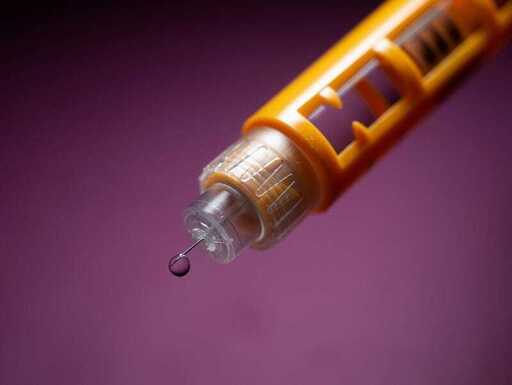
How the Therapy Works
The process involves regenerative medicine, utilizing the patient’s own body’s capabilities to treat the illness.
Cell Extraction: A small sample of cells (e.g., fat cells or blood cells) is taken from the patient. Reprogramming: These cells are chemically treated in a lab to revert them to a pluripotent state, meaning they can develop into any type of cell.
Differentiation and Transplantation: The stem cells are then guided to become functional, insulin-producing islet cells. These new cells are then transplanted back into the patient’s abdominal area.
Restored Function: Once implanted, the cells engraft and begin producing insulin naturally in response to blood glucose levels, effectively restoring the body’s natural ability to regulate blood sugar.
That doesn’t make sense for type 2. This is exactly how they’ve been trialing treatment of type 1, they just announced it a few months ago I think it was Stanford and Toronto
Insulin producing cells die off in type 2 after years of being bombarded with sugar in the US diet.
It’s important to make clear that “sugar” in this context includes simple carbohydrates.
Also known as sugars
To those who remember basic science class, yes. To most Americans, sadly no. They need the reminder/education.
I wonder if the US diabetic population is comparable to the Chinese diabetic population. Similar weight and eating habits? If not that could complicate things.
Rate of diabetes in China “explosive”
This is a consistent pattern in Chinese domestic politics. What a western nation would pick out as a profit center, the Chinese state addresses as a social cost. So the state plows a small fortune into cost-effective medical solutions, rather than squeezing the existing health care system out for therapeutic remedies that never resolve the root problem.
What are other examples?
It should be noted that this treatment sounds likely to be very expensive, and also if someone doesn’t change their lifestyle, the newly implanted functional cells are likely to become dysfunctional again over time, requiring another expensive cycle of treatment
Environmental policy was a big one. China took a hard pivot in the '00s, cutting emissions, advancing alternative energy, reforesting deserts, rapidly advancing HSR, building enormous wild life refugees.
Their insourcing of processors was another. Going from Taiwan’s biggest customer to it’s biggest competitor in a decade and change.
Then there was the housing boom - remember “Chinese Ghost Towns”? All over the news in the early '10s. Now China has more homeowners than any other county on Earth with more than 90% of households owning at least one property.
i’ve never understood how anyone could think the “ghost towns” wouldn’t obviously be filled shortly. One of the most significant facts about China is that they have a stupendously massive population, and consider Boston a quaint medium-sized town.
That population isn’t growing like it used to. Those buildings are looking likely to sit empty indeed.
This isn’t a cure for type 2, it’s a cure for type 1. Lifestyle has very little effect on type 1. You just don’t have enough insulin, sometimes you don’t have any, and usually it’s a result of an autoimmune disease or genetic issue.
In the actual study, the subject had Type 2 diabetes, and the authors note that treating Type 1 will be much more difficult due to the immunology involved
Agreed, the article says all of this but it doesn’t make a lot of sense. This is generally the mindset everyone has been using to treat type 1. Type 1 is about production, type 2 is about resistance. This treatment doesn’t address resistance, it just makes more insulin. More insulin is not more better, and has consequences.
I’m sorry, I just assumed that cancer of a site got it wrong, and then went on to assume it was another example where someone had and autoimmune disease, and then had their immune system reset via something like chemo. The pancreas in such cases is still roached, so adding new insulin producing cells makes sense.
Type 2 is caused by insulin resistance. And yeah, more insulin can help, but I’d not call it a cure. A cure is reversing the resistance.
The article says T2.
This treatment is for type 1 (still 12 million cases).
Almost 2 million children with type 1 world wide. So sure, good spend.
No, it’s for Type 2
This treatment is for T2.
https://www.nature.com/articles/s41421-024-00662-3
I stand corrected, it is for both T1 and the 30% of T2 that are insulin dependent. Cool.
I believe you may conflating type 1, and type 2. Type 1 does not have a causal relationship with food consumption. The article also might be conflating the two as it mentions curing type 2, but by using the methodology everyone has been looking into to treat the autoimmune issues of type 1s.
Multiple types are autoimmune. Doesn’t the body continue to attack the cells?
This was one test in one patient. We didn’t hear about the patients where this didn’t work. Very shitty article.
Well shit. At least I wasn’t willing to get my hopes up.
The concept is being trialed worldwide, but it will be too expensive for anyone
Yeah, but that’s a bit beside the point. I’m a bit incredulous that it would work long-term.
But I don’t know anybody who specializes in autoimmune diseases besides my endocrinologist. And I won’t be seeing her for a bit.
Sounds expensive :/