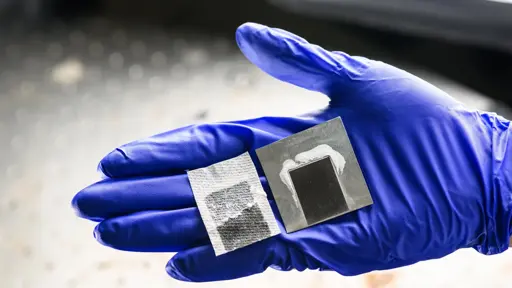
Scientists have developed a solar-powered desalination system that turns seawater into fresh water while removing nearly all of the leftover salt as a solid instead of producing harmful brine. The self-cleaning technology could also recover valuable minerals such as lithium, potentially turning desalination waste into a useful resource.
Most modern desalination plants use a “reverse osmosis” method.
You have a barrier that water can pass through, but salt can’t. Normally, water would be drawn across this barrier, till the salinity is the same on both sides. This is osmosis, and how things like plants draw in water.
Reverse osmosis works by using a high pressure on the salty side. This effectively forces water against the osmotic gradient. This is generally done with relatively small amounts of salt water at a time. The end result is fresh water on one side, and extremely salty water on the other. If the salty “brine” is discharged too fast, it can mess up the local salinity levels in the sea around the vent. The process is also very energy intensive (though a LOT less than boiling the water off).
You also have the problem of the membrane being very sensitive to getting damaged or blocked up. You need to clean the sea water up a lot before you can desalinate it.
This new process would help avoid the brine issue, as well as likely being less sensitive to contaminants.


Most modern desalination plants use a “reverse osmosis” method.
You have a barrier that water can pass through, but salt can’t. Normally, water would be drawn across this barrier, till the salinity is the same on both sides. This is osmosis, and how things like plants draw in water.
Reverse osmosis works by using a high pressure on the salty side. This effectively forces water against the osmotic gradient. This is generally done with relatively small amounts of salt water at a time. The end result is fresh water on one side, and extremely salty water on the other. If the salty “brine” is discharged too fast, it can mess up the local salinity levels in the sea around the vent. The process is also very energy intensive (though a LOT less than boiling the water off).
You also have the problem of the membrane being very sensitive to getting damaged or blocked up. You need to clean the sea water up a lot before you can desalinate it.
This new process would help avoid the brine issue, as well as likely being less sensitive to contaminants.